The strategic intent is clear: transform the British Army into a force that is "10 times more lethal".
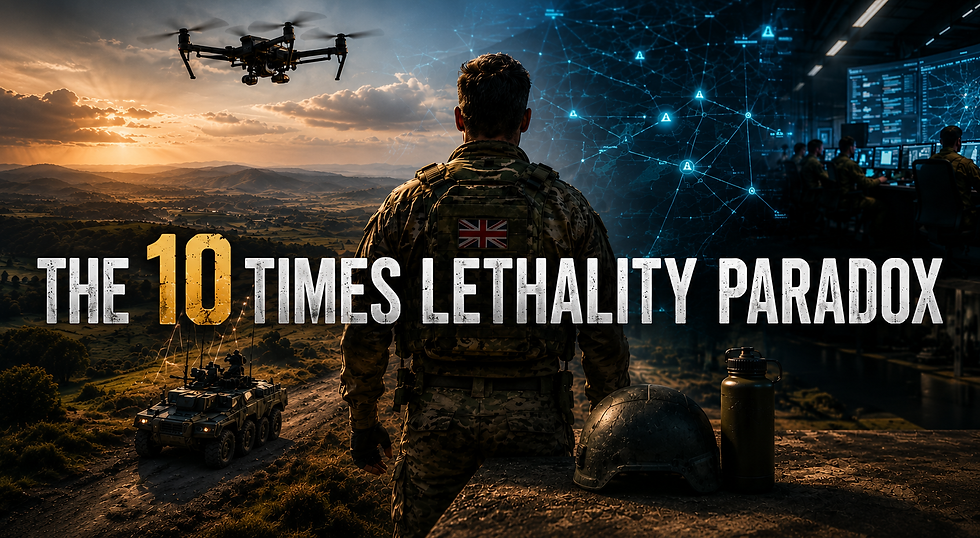
The strategic intent is clear: transform the British Army into a force that is "10 times more lethal".
Achieving this vision relies heavily on accelerating modernisation, pouring investment into the recce-strike complex, autonomous drone systems, and digital targeting webs designed to connect sensors to shooters at lightning speed.
However, as the institution evolves its technological hardware, an internal document (Army Briefing Note 045/2026) highlights an important behavioral shift occurring within the human element.
The briefing note addresses a growing trend of service personnel accessing private prescriptions for weight loss medications, such as Semaglutide and Tirzepatide. While the policy notes these medications offer health benefits, it mandates disclosure to Medical Officers (MOs) to manage what it calls "material occupational risks" under the AGAI 080 framework.
This development raises a compelling, neutral question for leaders, occupational psychologists, and strategists alike: How does a high-performance organisation preserve its historic culture of physical robustness while simultaneously transitioning to a highly digital, tech-heavy style of warfare?
1. The digital warfighting environment and activity Levels
The push for a 10x lethal force naturally adapts the modern battlefield. Outside of frontline infantry roles, increased reliance on tech-heavy capabilities means more personnel operating from static HQ tents, armoured command vehicles, or ops rooms; managing networks, data streams, and autonomous platforms.
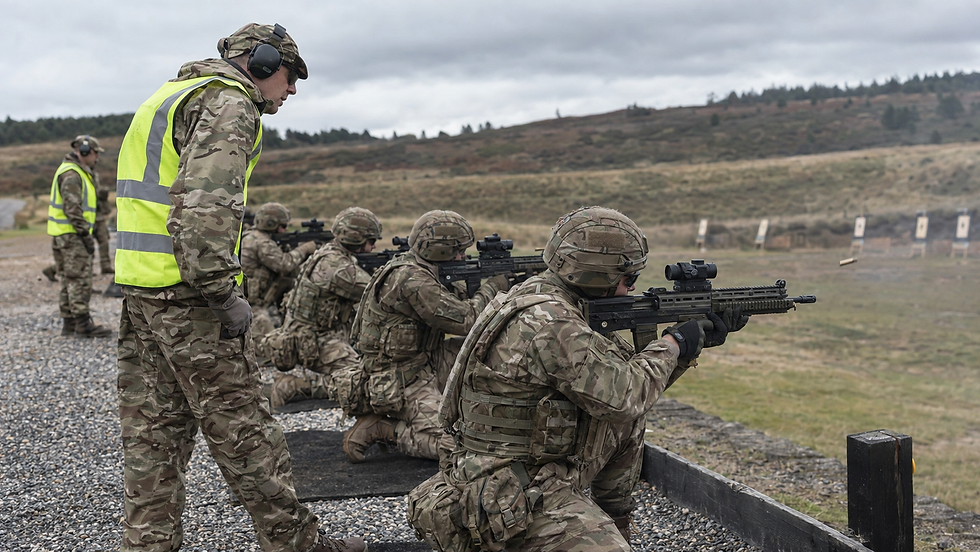
This shift creates an interesting organisational paradox. High-stress, low-mobility environments naturally alter daily energy expenditure. While cognitive demands and intelligence requirements skyrocket, the opportunities for traditional, high-tempo physical activity can decrease. Yet, the institutional necessity to remain deployable and physically fit remains constant.
2. Navigating compliance and systemic pressures
In any elite institution, standards dictate career progression, administrative grading, and operational readiness. When daily operational routines become more sedentary due to the nature of modern tech work, the psychological pressure to remain compliant with strict body composition and fitness policies remains immense.
When personnel feel the pressure of these administrative gates, the appeal of modern medical advancements as a management tool is a logical outcome. However, when individuals seek these routes privately, it highlights a gap between evolving workplace realities and traditional performance tracking.
3. The physiological trade-offs of rapid adaptations
The ABN explicitly highlights that unsupervised use of weight loss medications carries significant operational risks, including:
• Exertional collapse and dehydration under extreme physical stress.
• Loss of muscle mass and bone density degradation, which directly impacts load-bearing capacity.
• Logistical friction regarding the cold-chain storage and resupply of medications in austere or deployed environments.
This presents a distinct challenge for the future force. If the human component is managing weight via medical intervention rather than systemic physical conditioning, does the force risk compromising the rugged durability required when technology fails and raw physical resilience is called upon?
The strategic leadership challenge
This trend is not a simple medical or disciplinary issue; it is a fascinating case study in organisational change management. It suggests that when an institution rapidly upgrades its technology, it must equally reconsider how it supports, nourishes, and trains the human operating system within that new technical framework.
Rather than viewing this shift through a negative lens, it can be seen as an opportunity for forward-thinking leadership. As high-performance organisations build a more lethal, tech-driven output, the true challenge will be ensuring that the cultural value of physical health is integrated into a modern workplace; rather than bypassed by it.
What do you think? How can modern organizations effectively balance rapid technological integration with the long-term physical health and systemic trust of their workforce?
#Leadership #MilitaryPsychology #HumanPerformance #OrganisationalChange #BritishArmy #StrategicDefenceReview #ChangeManagement #RecceStrike #UnconventionalAcademic


Comments