
“A lecture is a deliberate space to communicate knowledge, explain and connect ideas”
This page presents a selection of lectures I have delivered in the fields of human psychology, leadership, and organisational behaviour, covering a range of core concepts and applied themes. Unlike consultancy, which addresses specific organisational challenges, or presentations, which are designed to engage and shift thinking, lectures are focused on developing understanding through structured exploration of theory, evidence, and practice. Each lecture is designed to build clarity and depth, enabling individuals to engage critically with ideas and apply them within professional and organisational contexts.





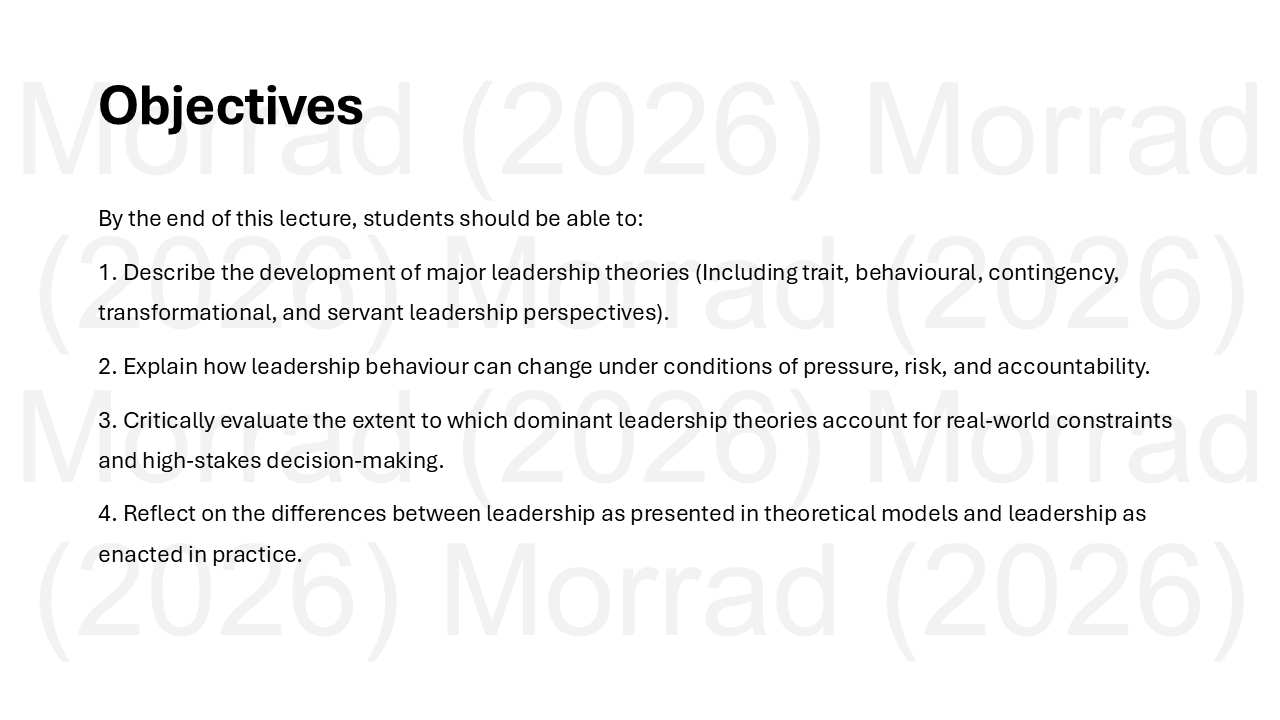
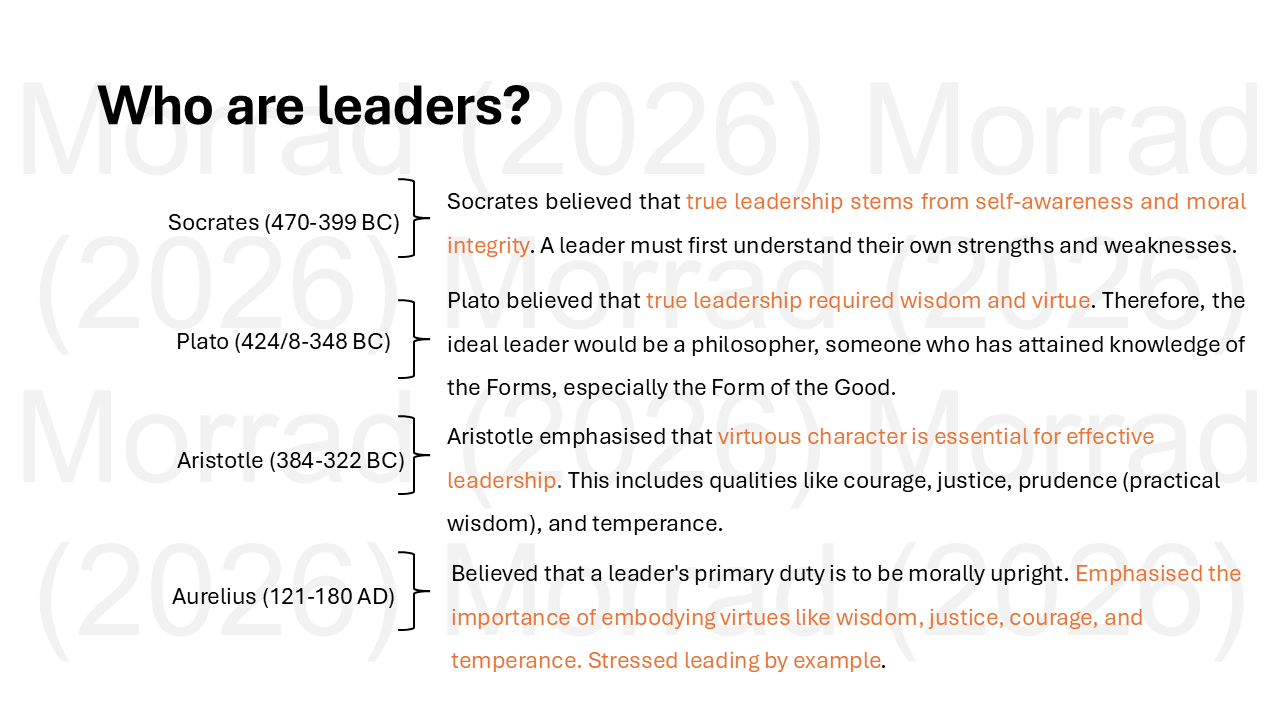
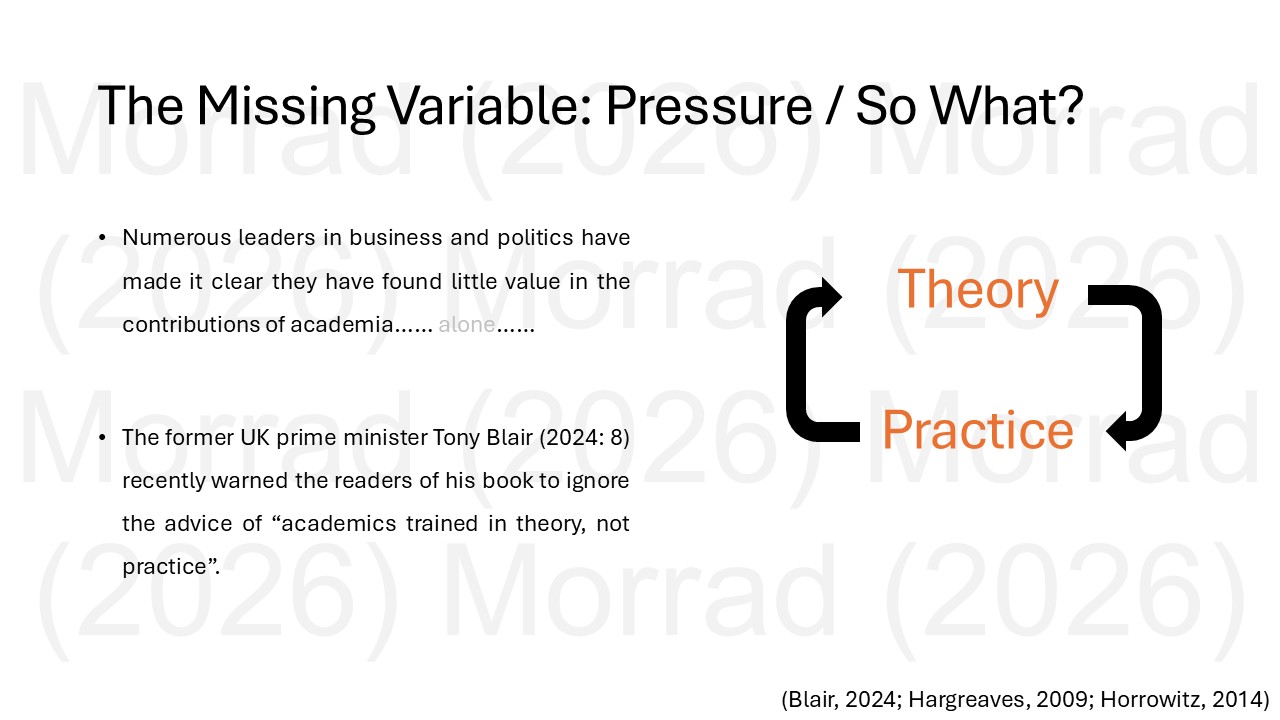
This lecture was positioned as an introduction to how our understanding of leadership has evolved. Originally delivered to undergraduate students studying leadership as part of a wider Organisational Behaviour course, this lecture provides an accessible introduction to some of the principal perspectives that have shaped leadership thinking.
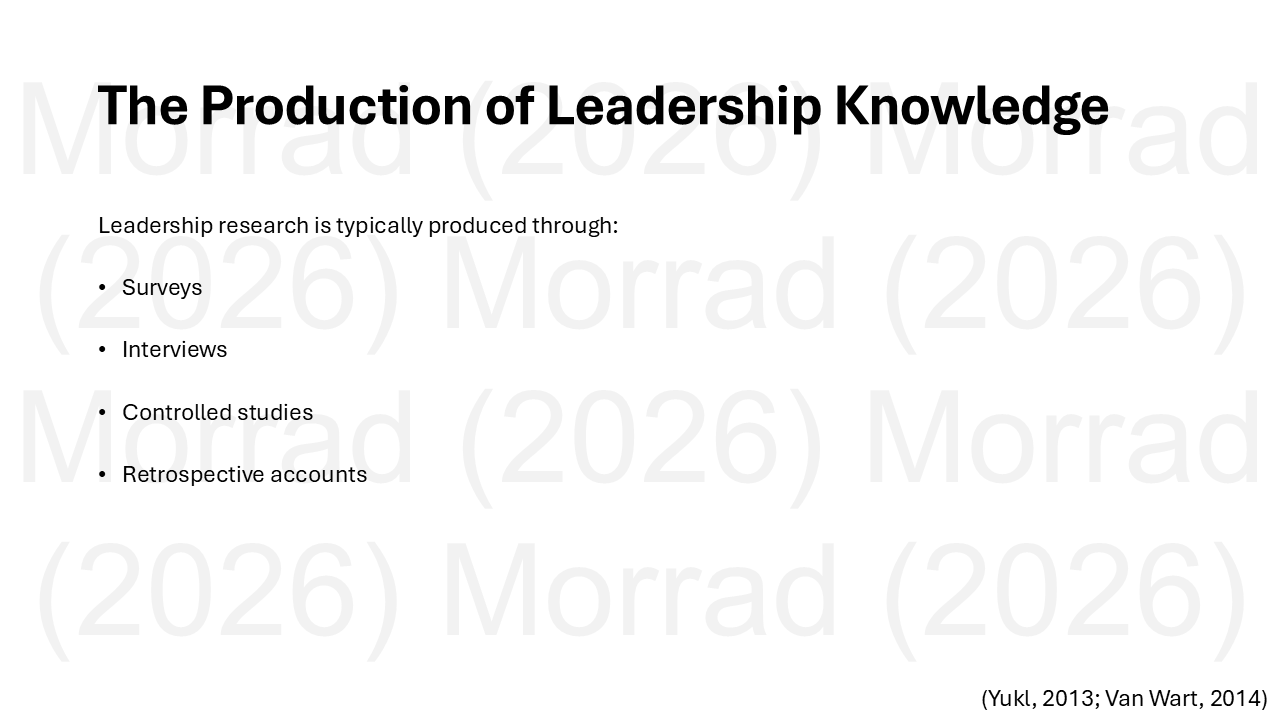
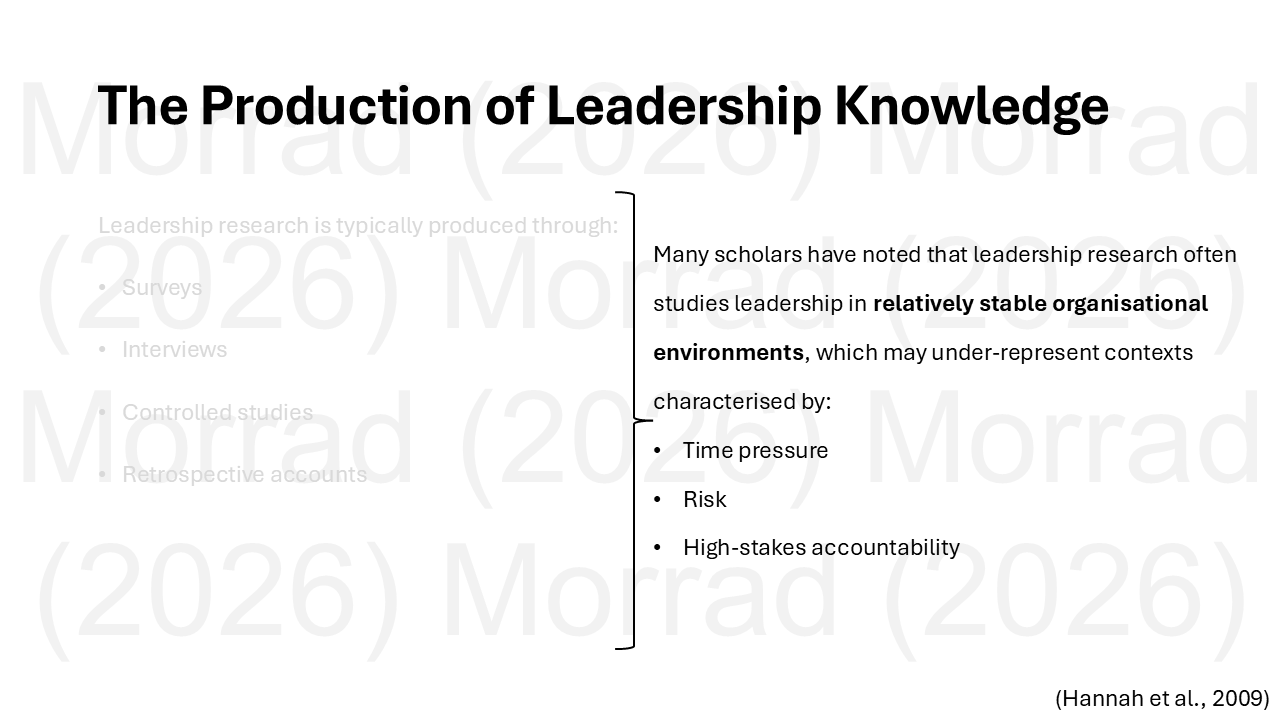
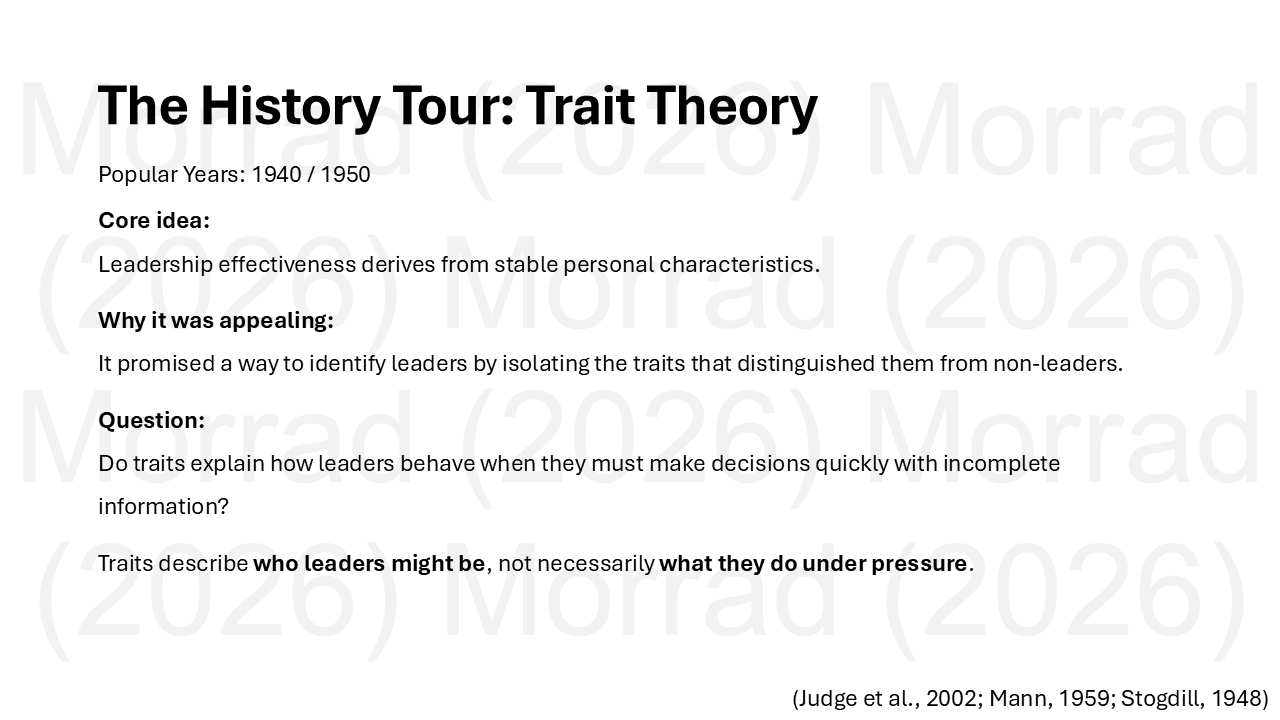
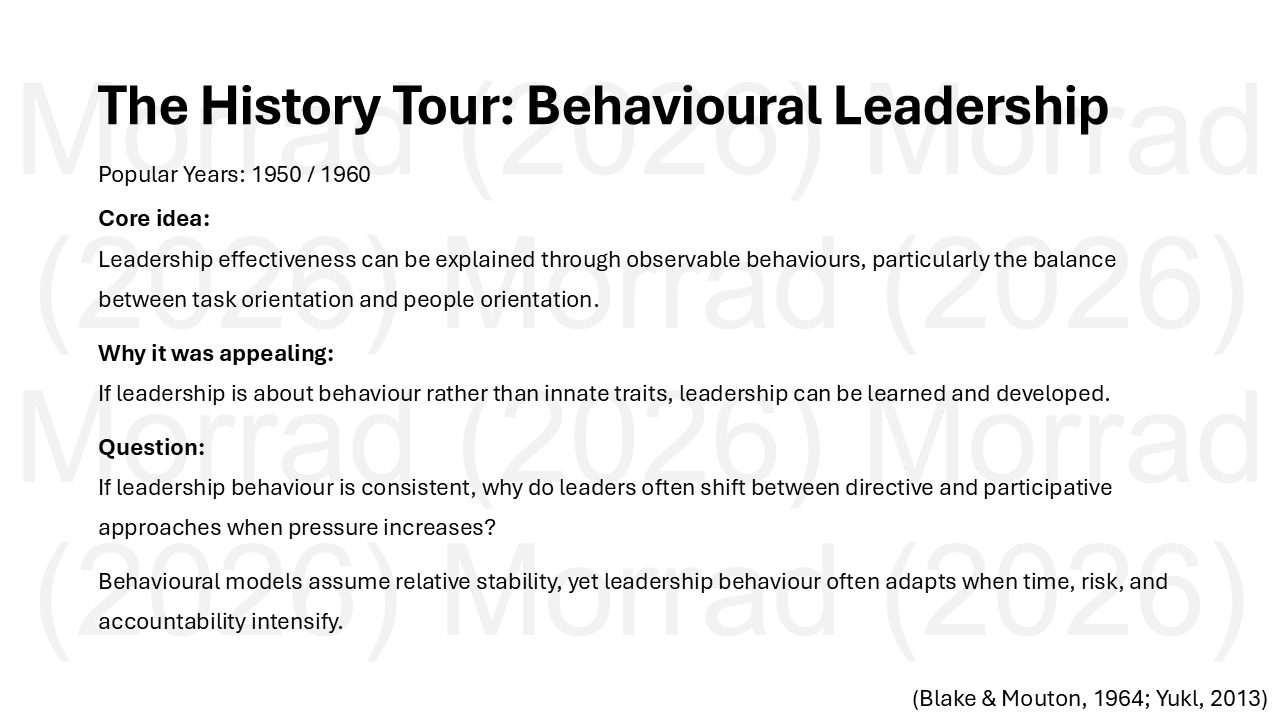
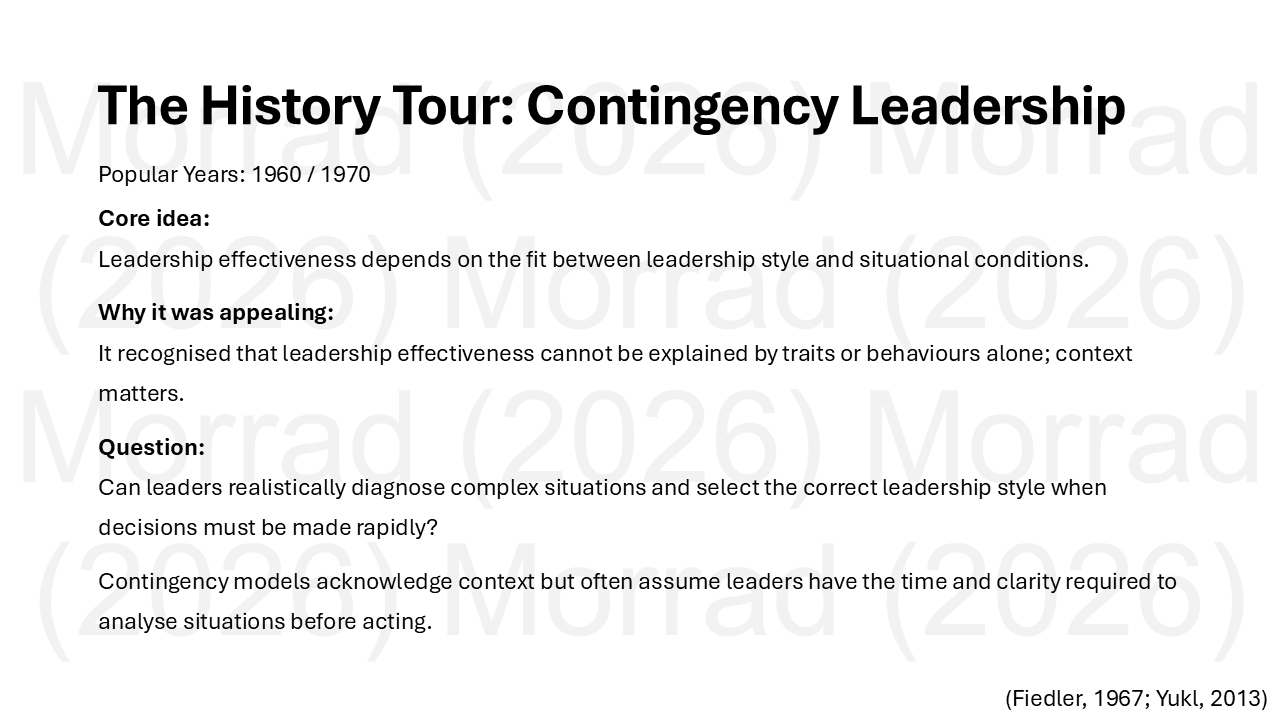
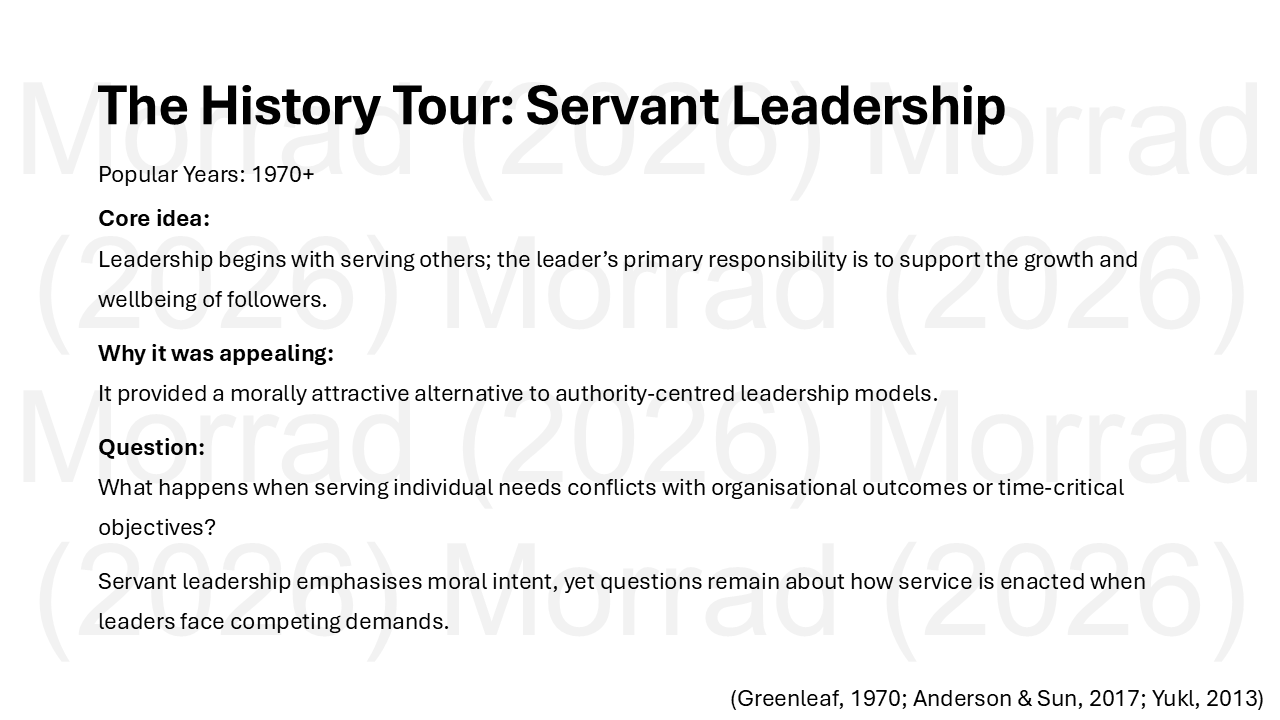
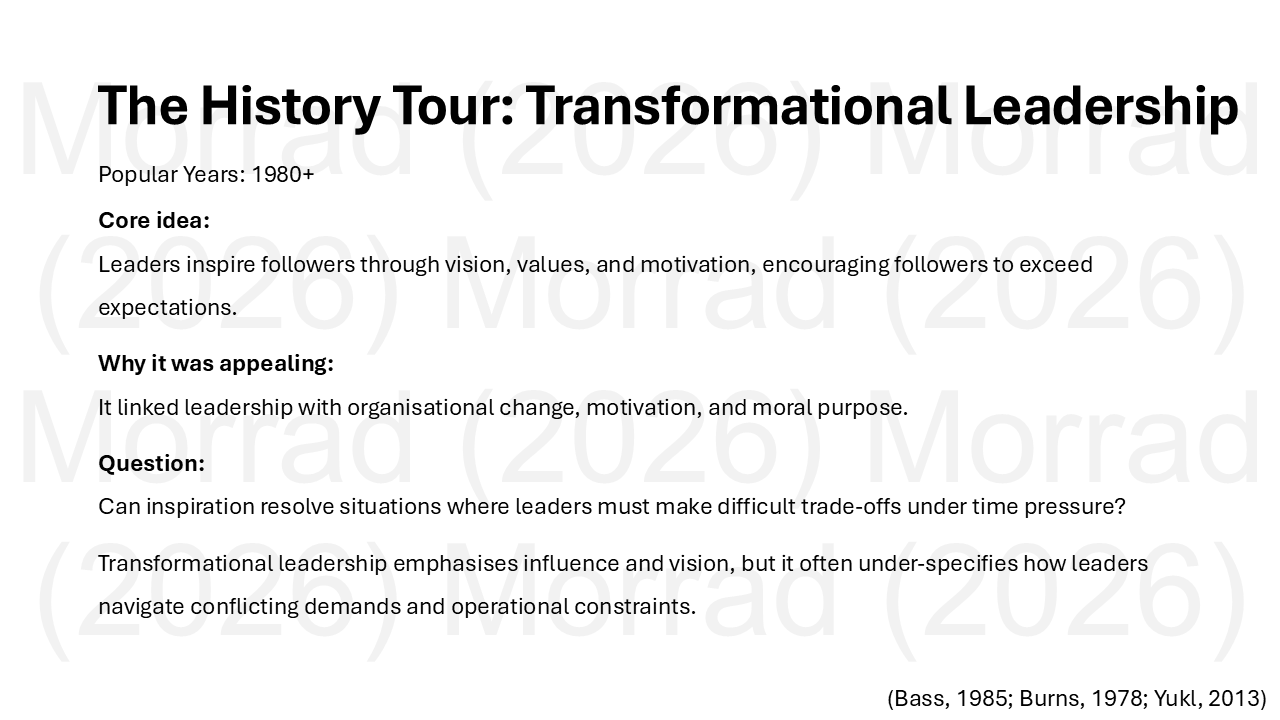
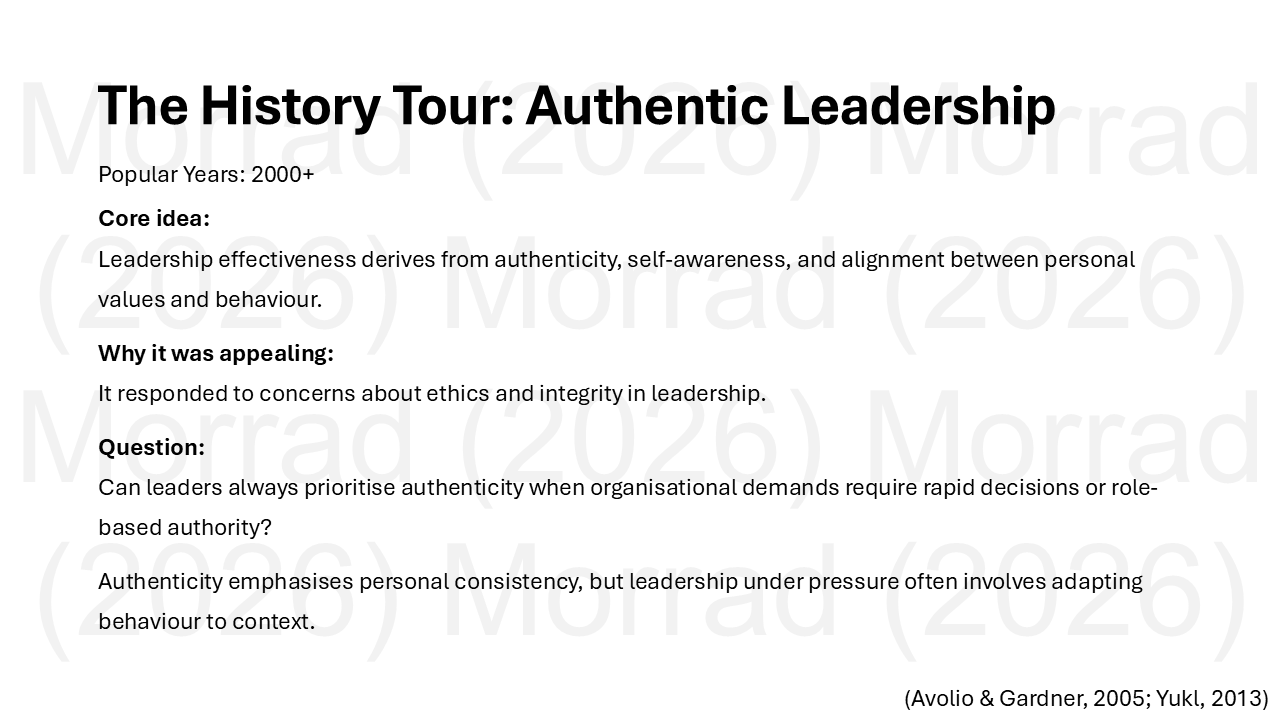
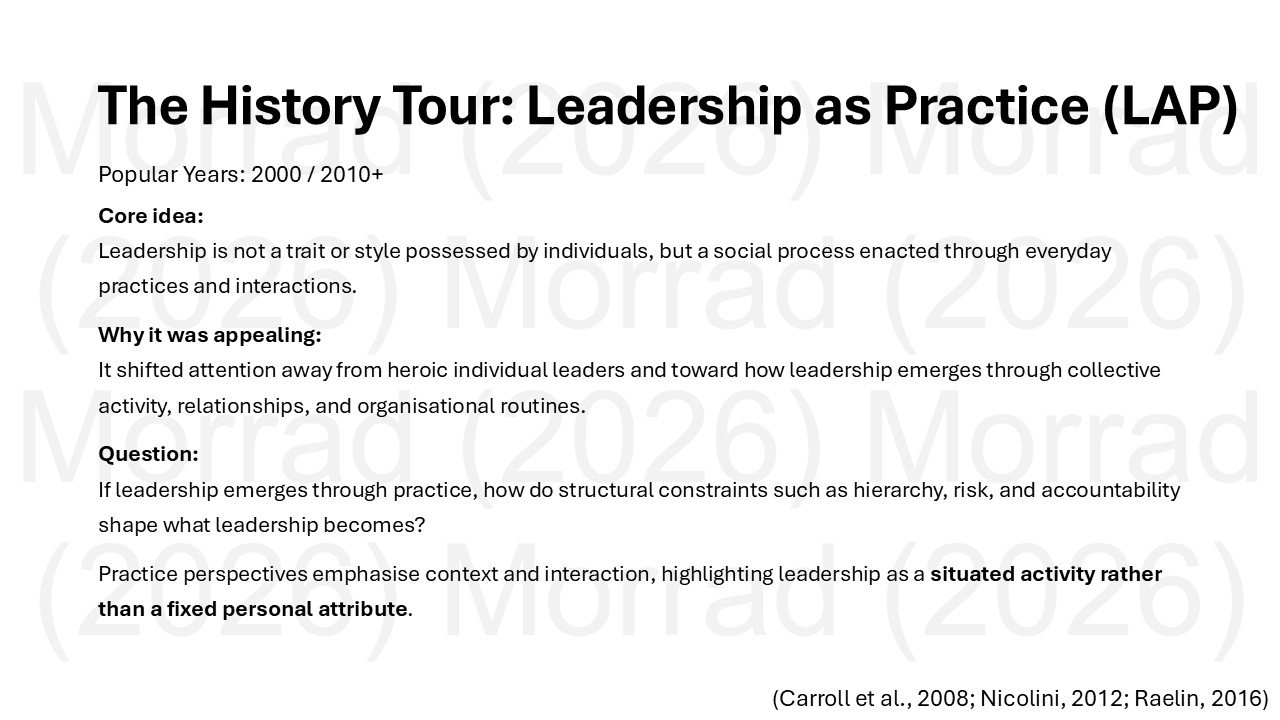
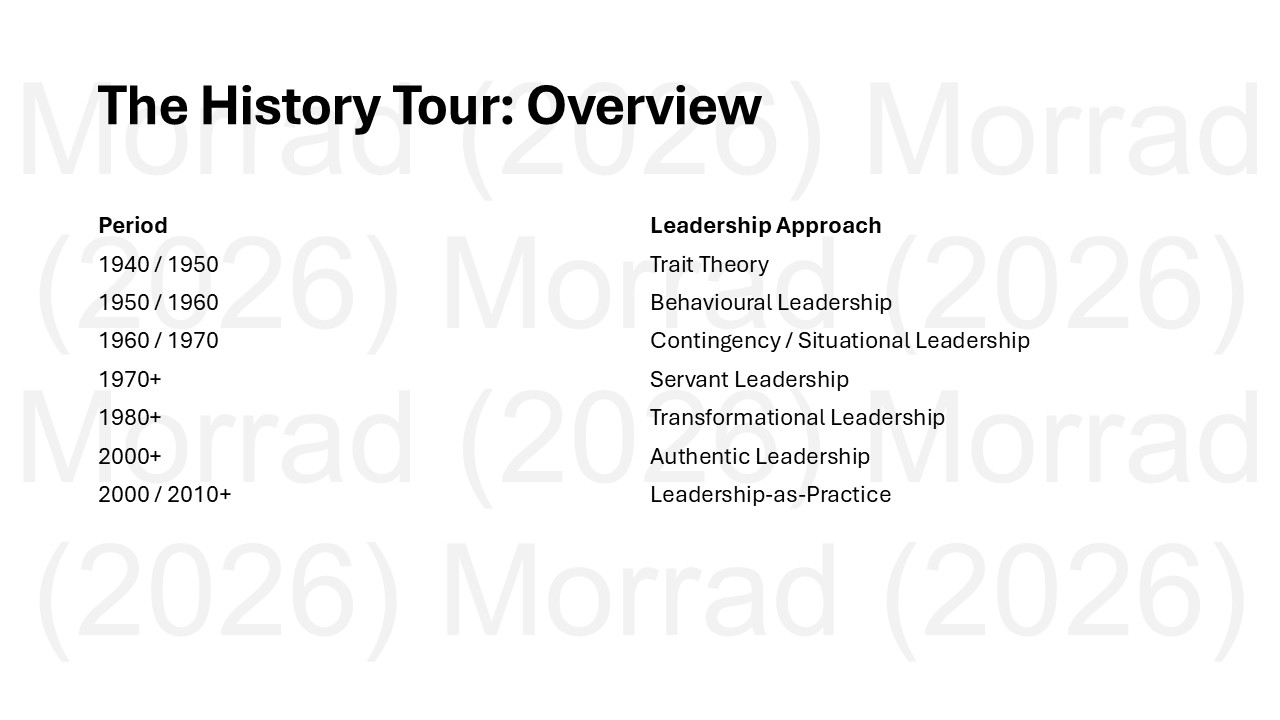
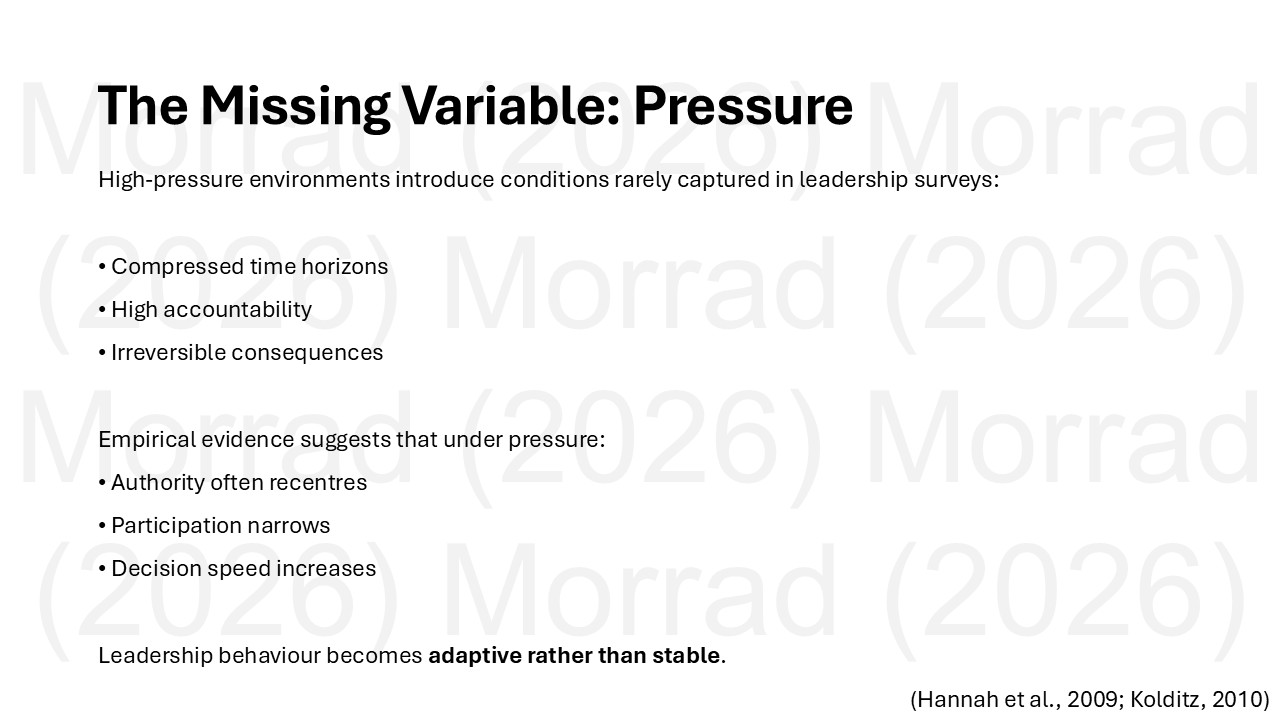
The presentation traces the development of leadership theory from early attempts to identify the characteristics of effective leaders, through behavioural and contingency approaches, to more contemporary perspectives including transformational, servant, authentic and Leadership-as-Practice. Along the way, it encourages students to consider a deceptively simple question: what actually makes leadership effective?
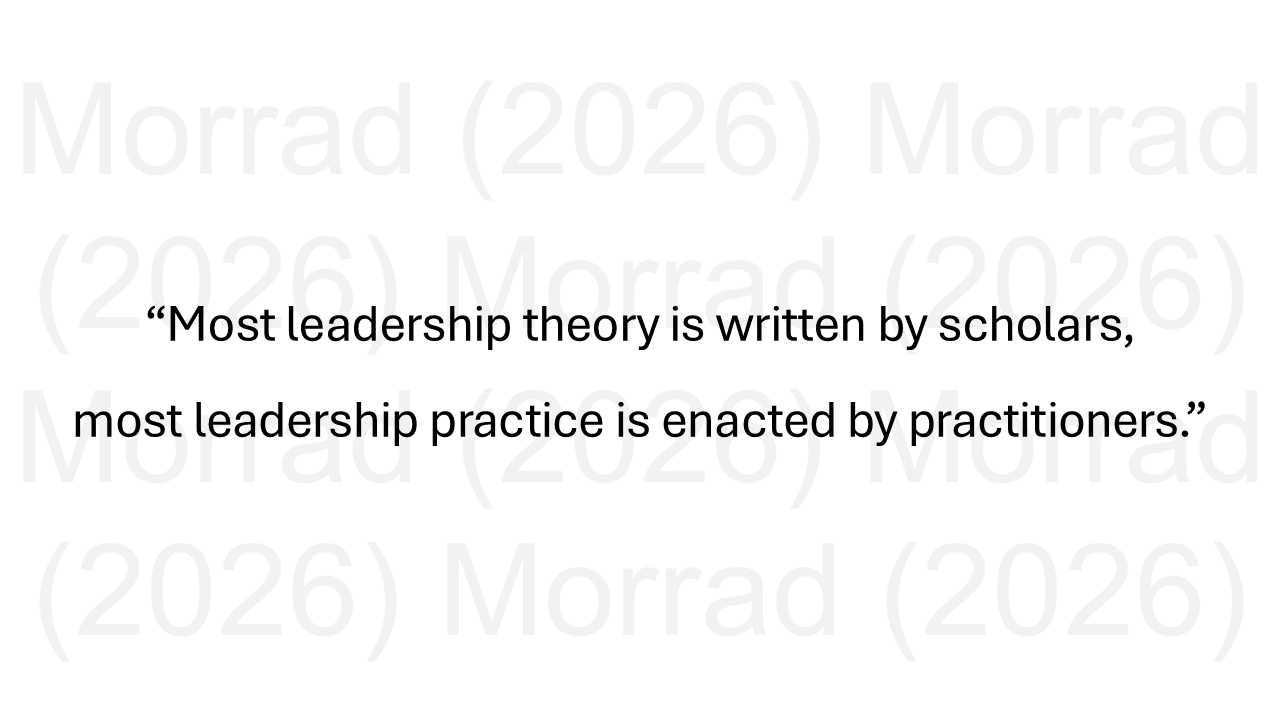
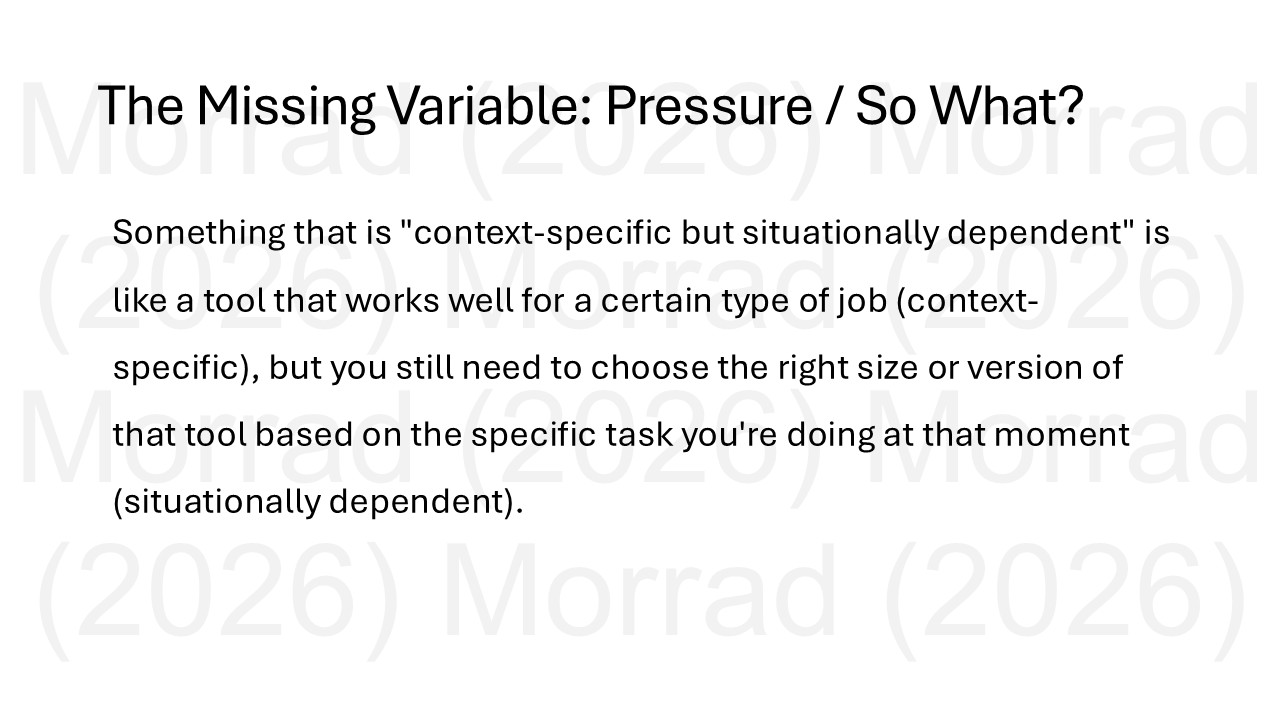
Rather than presenting leadership as a single formula or preferred style, the lecture introduces students to the different ways in which scholars have sought to explain leadership and invites them to consider the relationship between leadership theory and the realities of leadership in practice.
Use the arrows to click through the presentation.












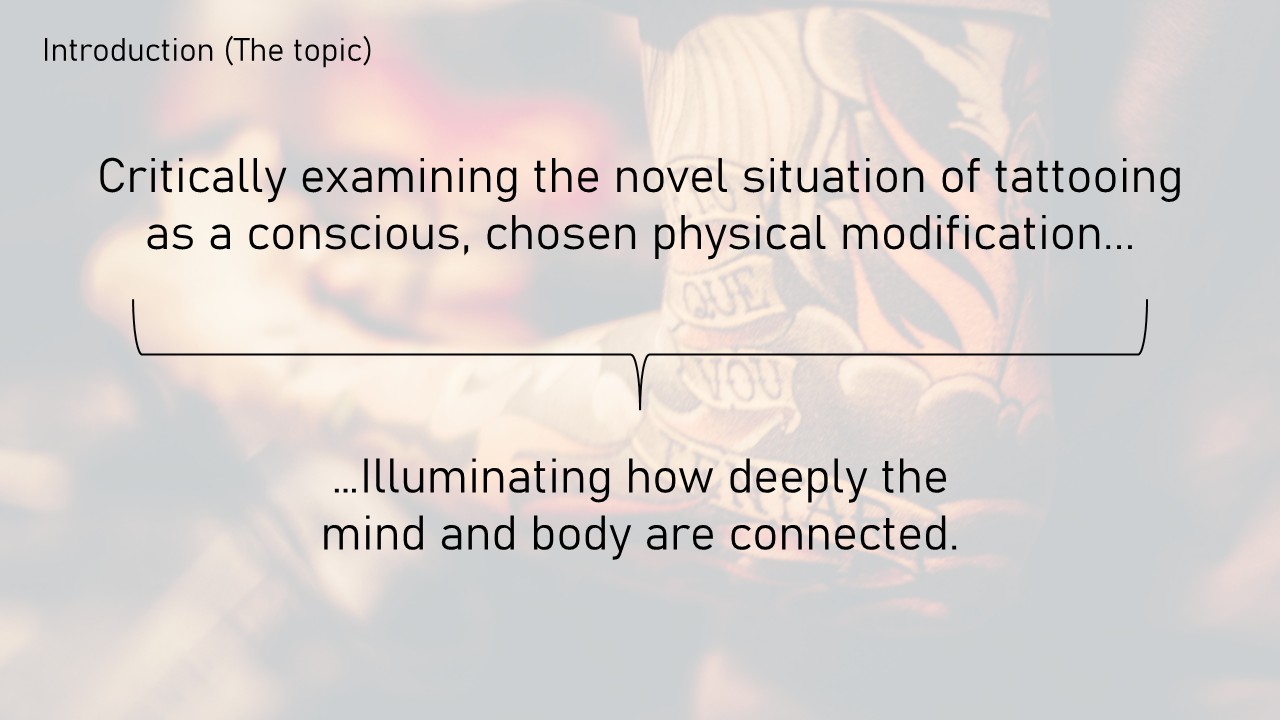
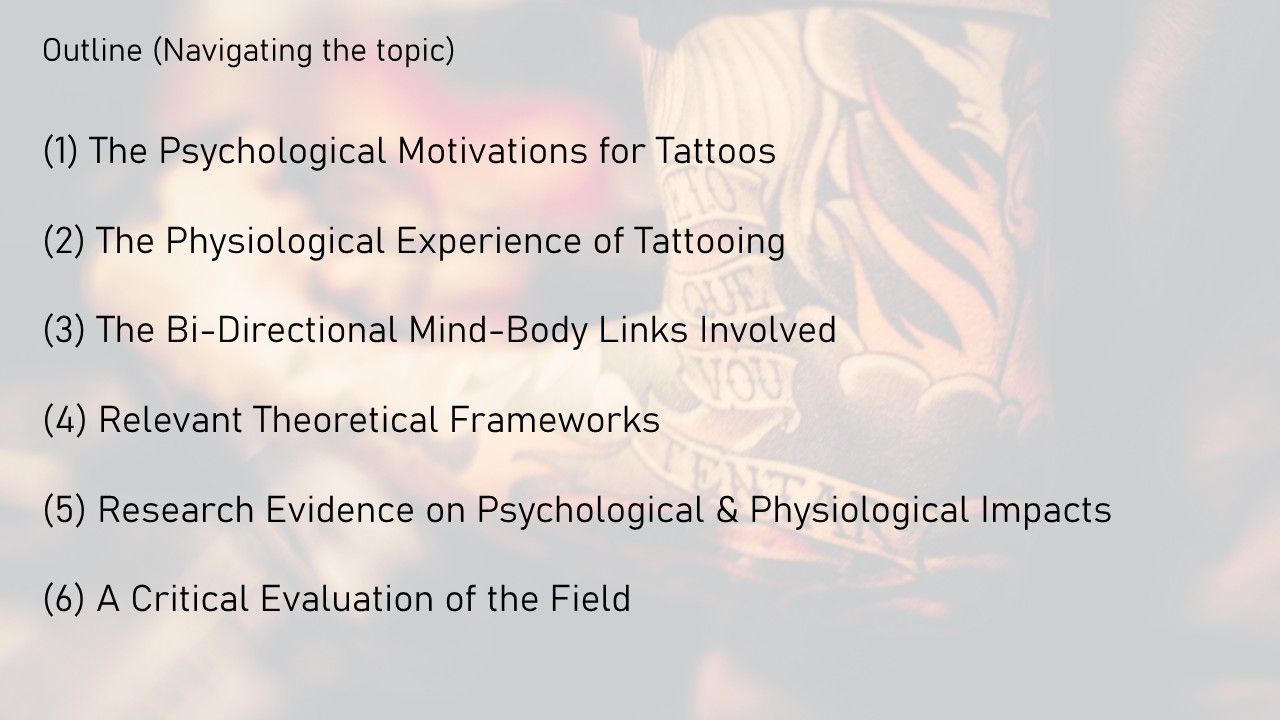
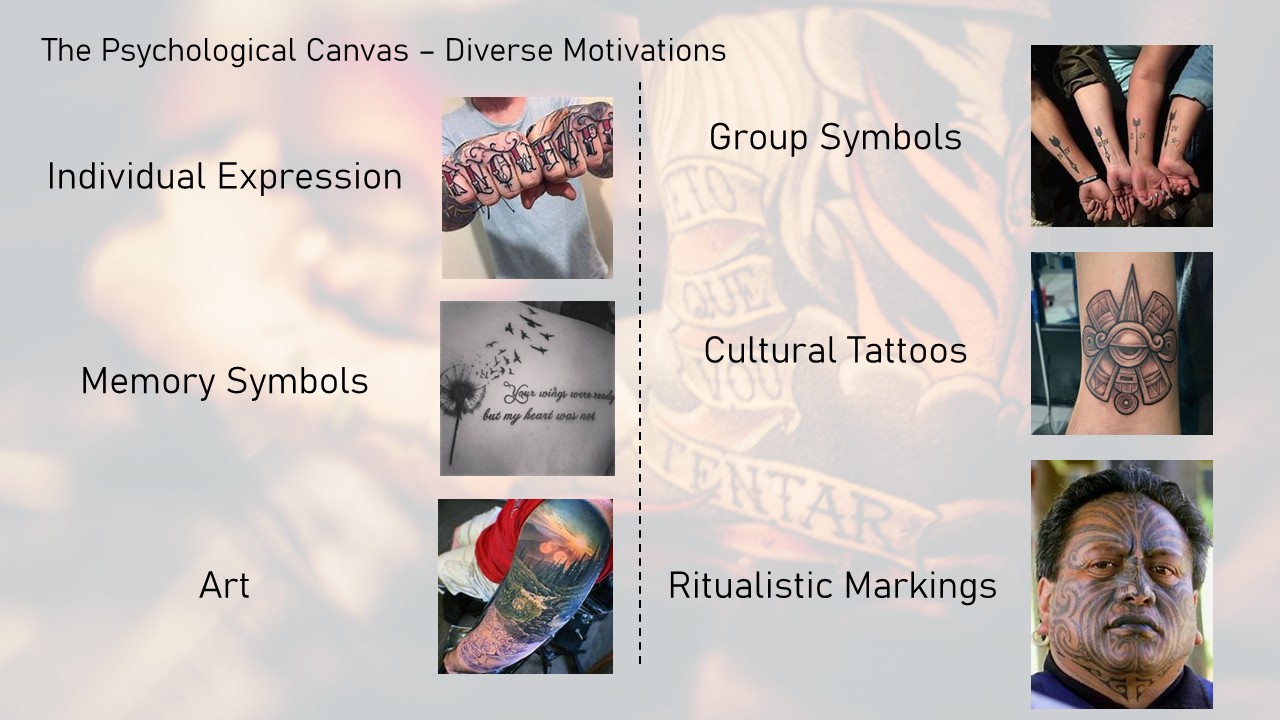
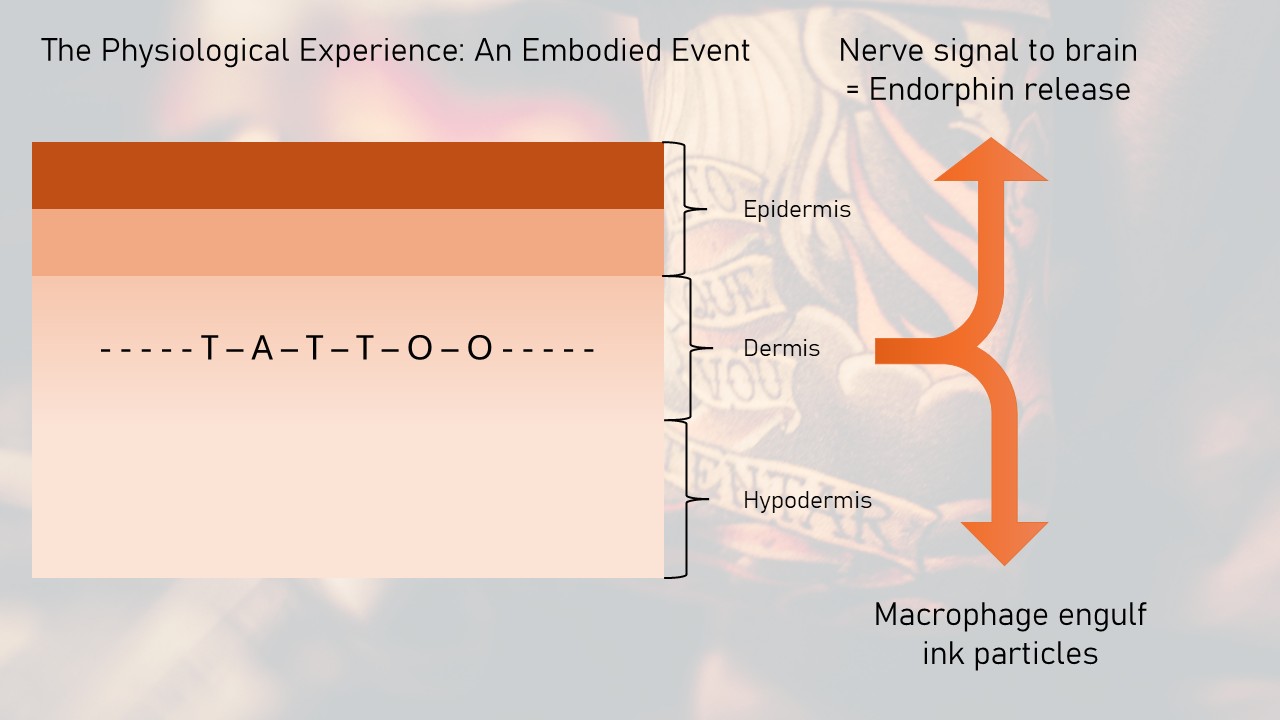
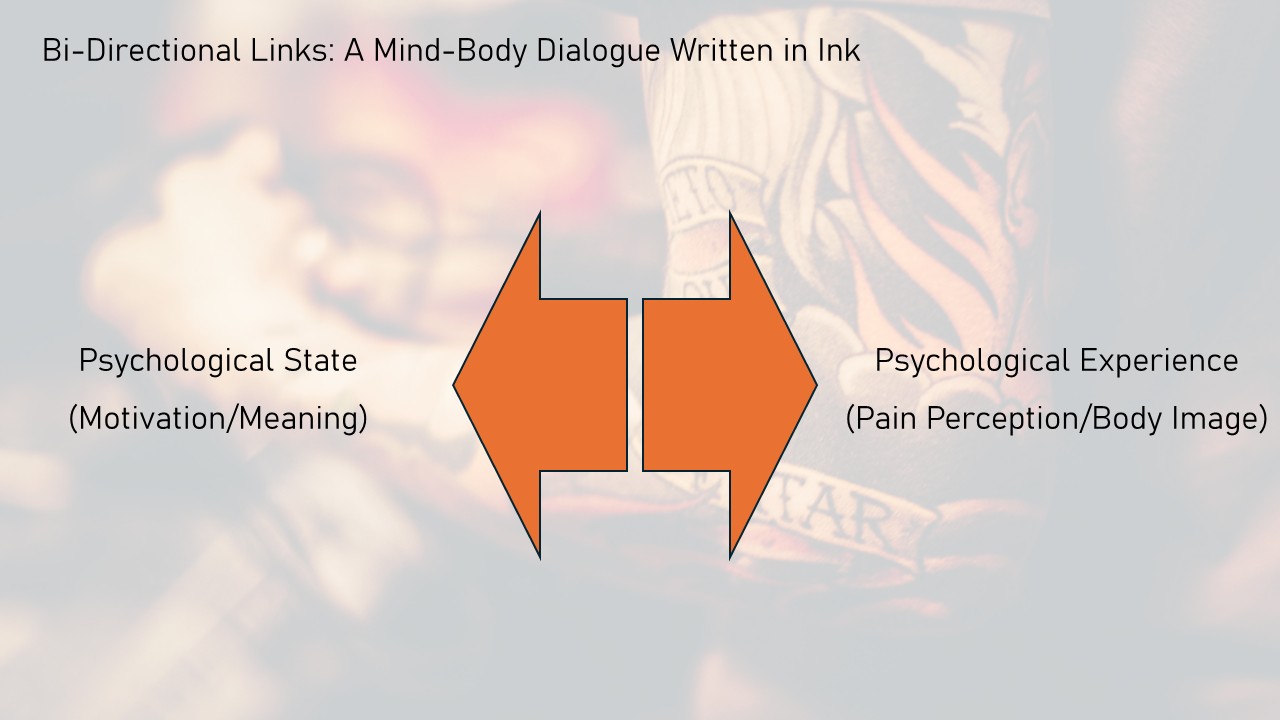
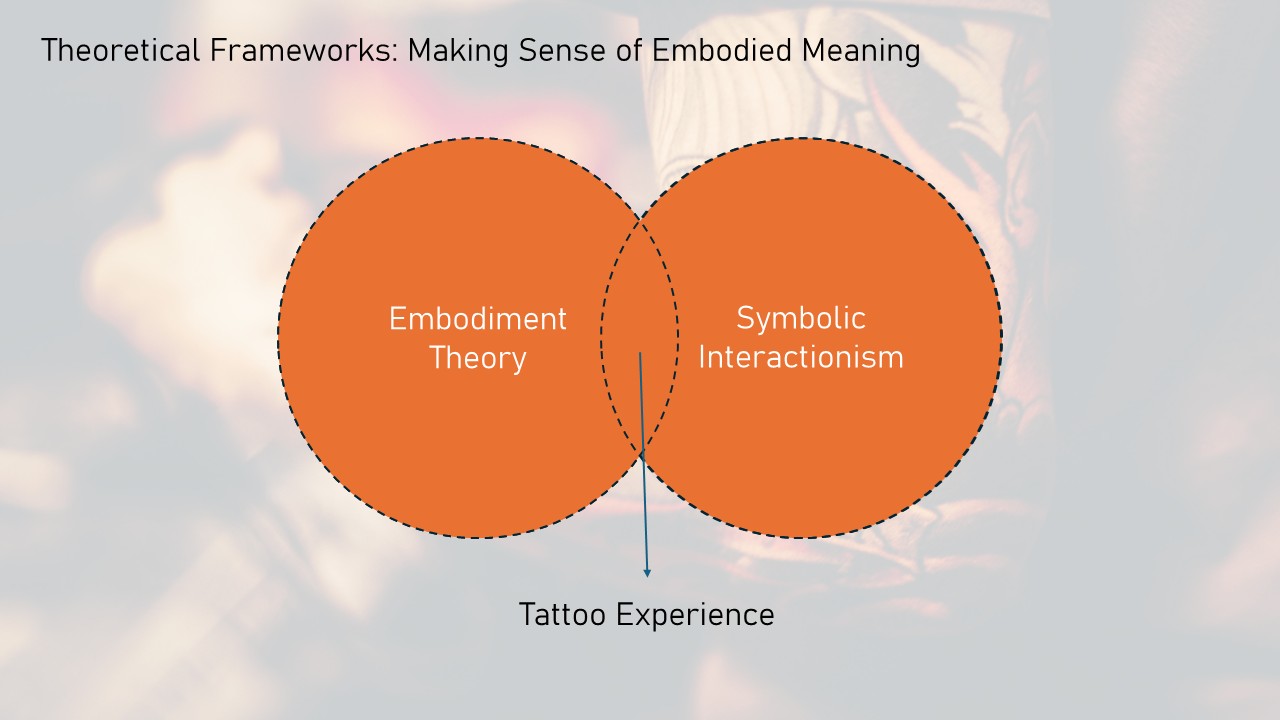
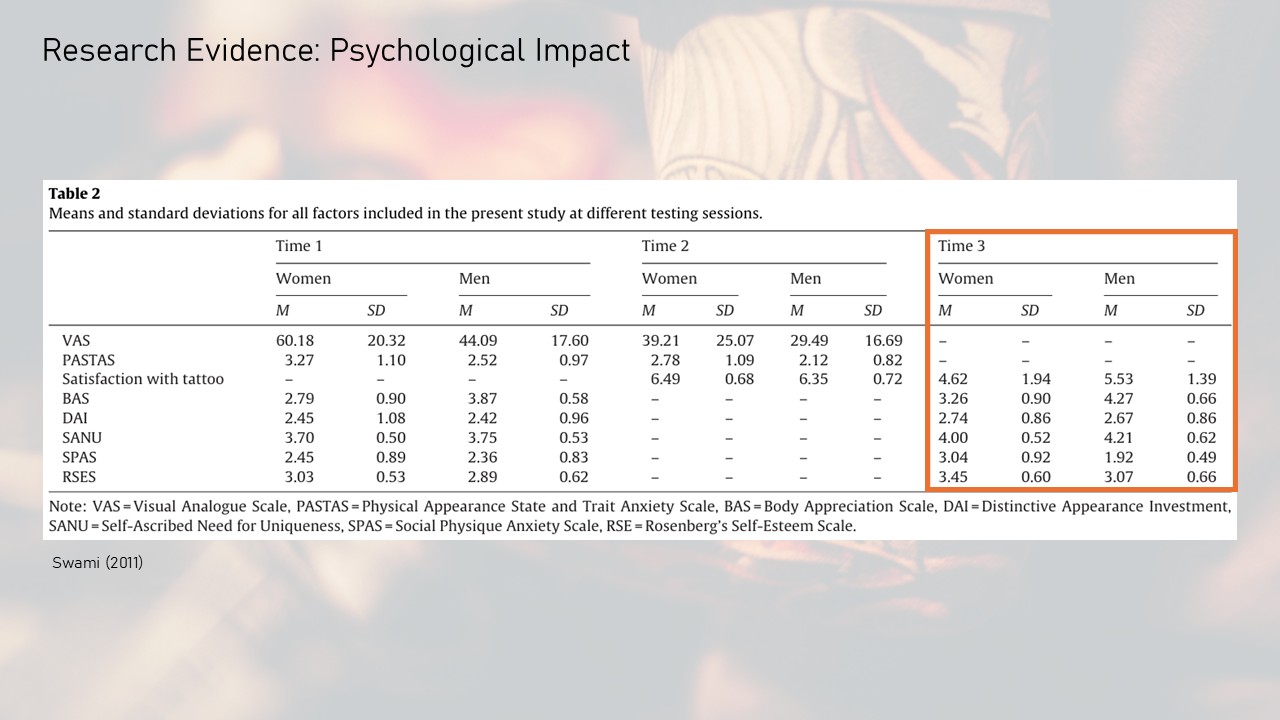
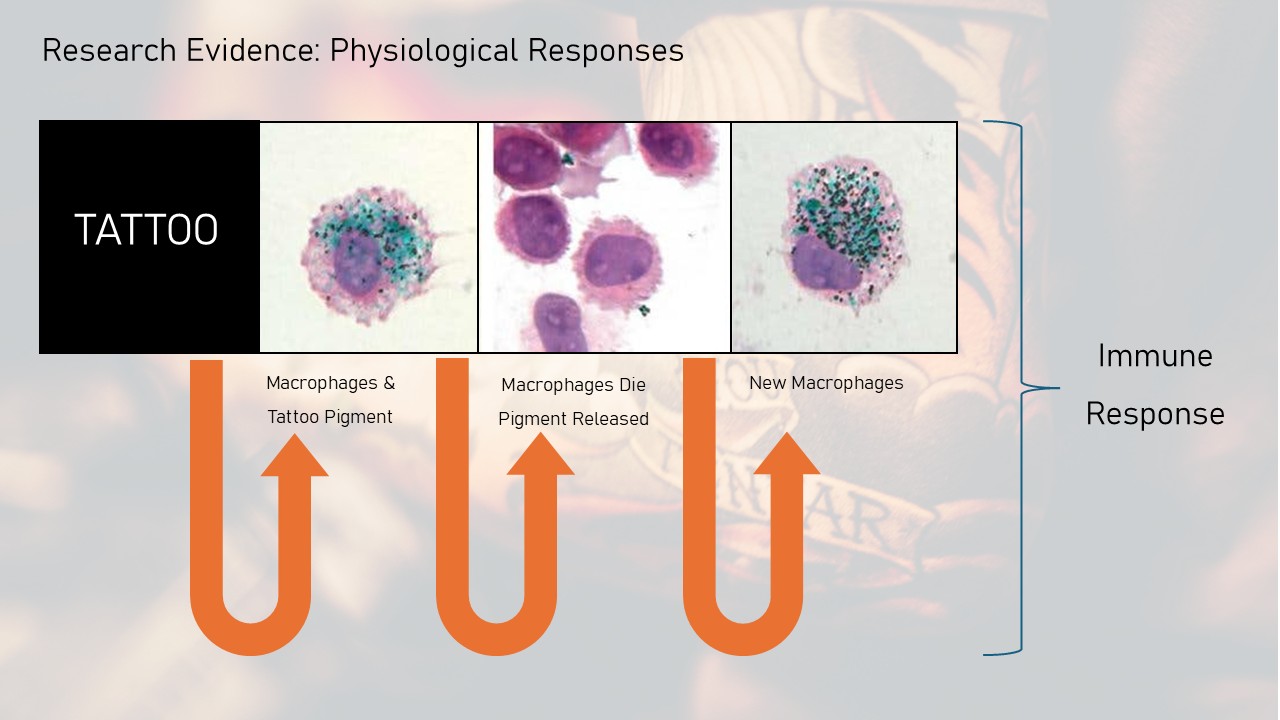
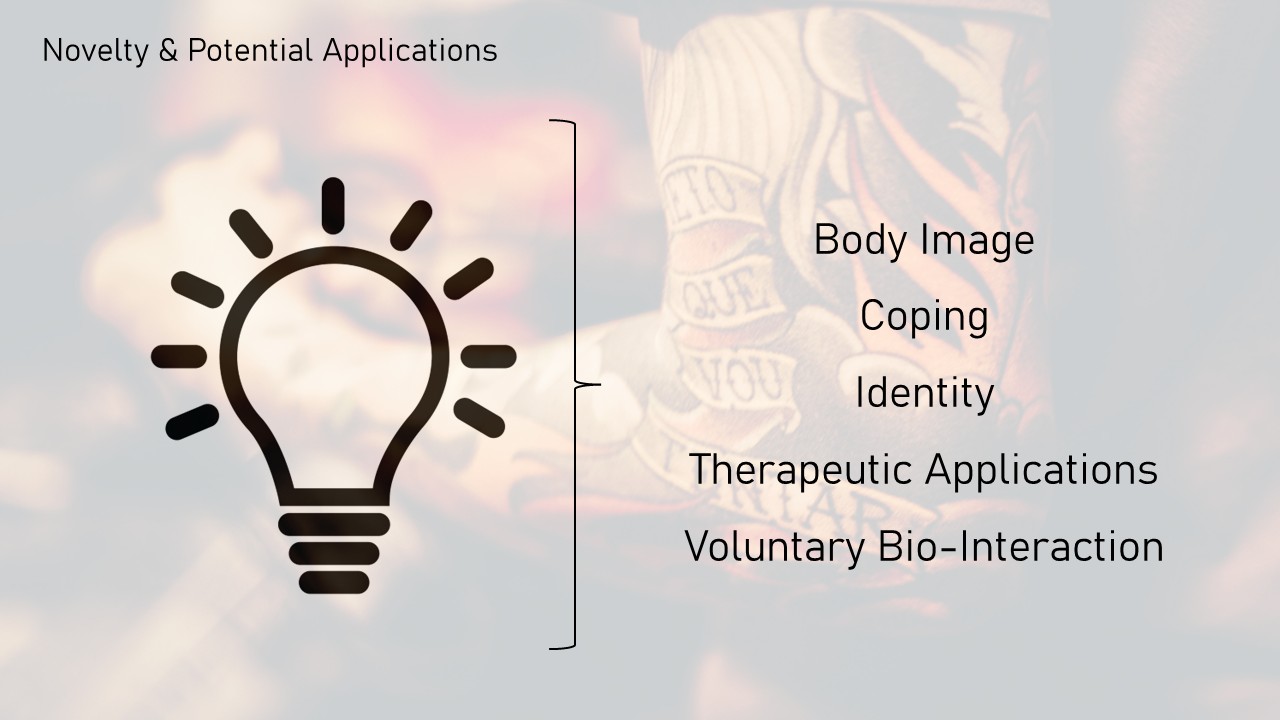
This lecture used tattooing as an accessible and thought-provoking lens through which to examine the relationship between mind and body. Rather than considering tattoos simply as aesthetic or cultural objects, it explored tattooing as a consciously chosen physical modification involving interconnected psychological, physiological and social processes.
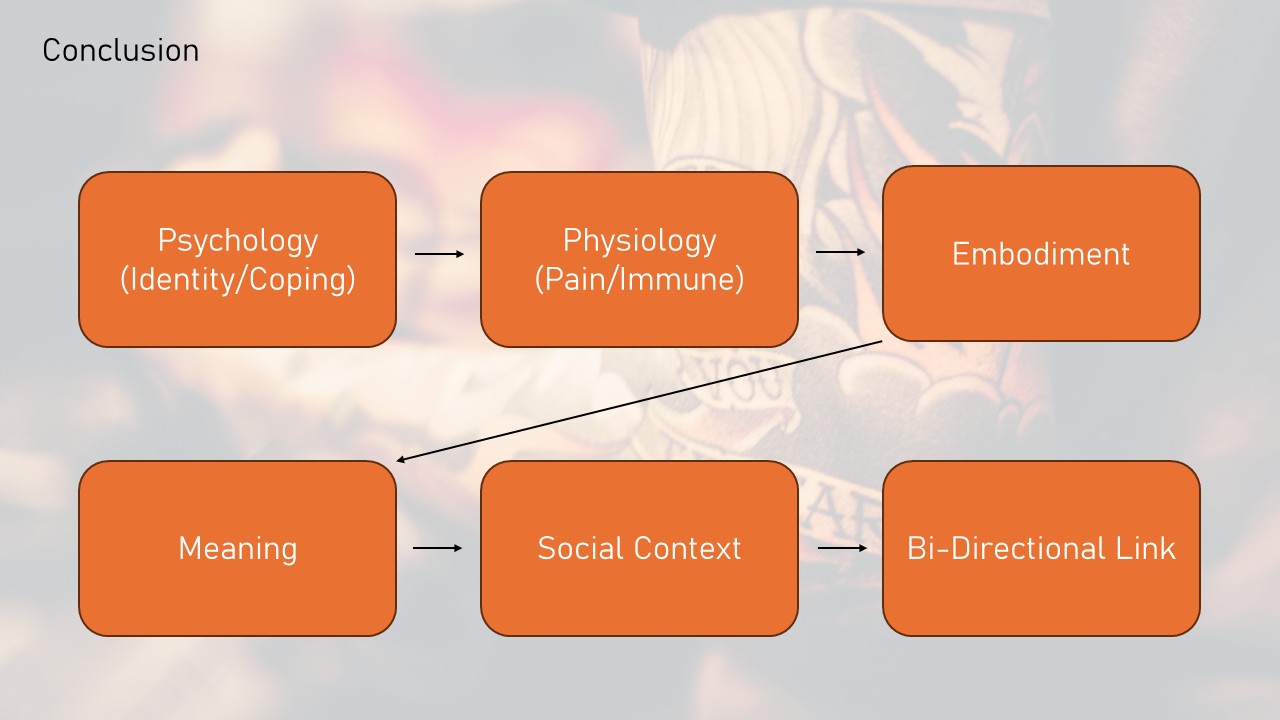
The lecture considered the diverse motivations associated with tattooing, including individual expression, memory, group identity, culture and ritual, before examining the physiological experience of tattooing and the body’s response to the introduction of tattoo pigment. It then brought these perspectives together to consider the bi-directional relationship between psychological state and embodied experience, drawing upon Embodiment Theory and Symbolic Interactionism as theoretical lenses.
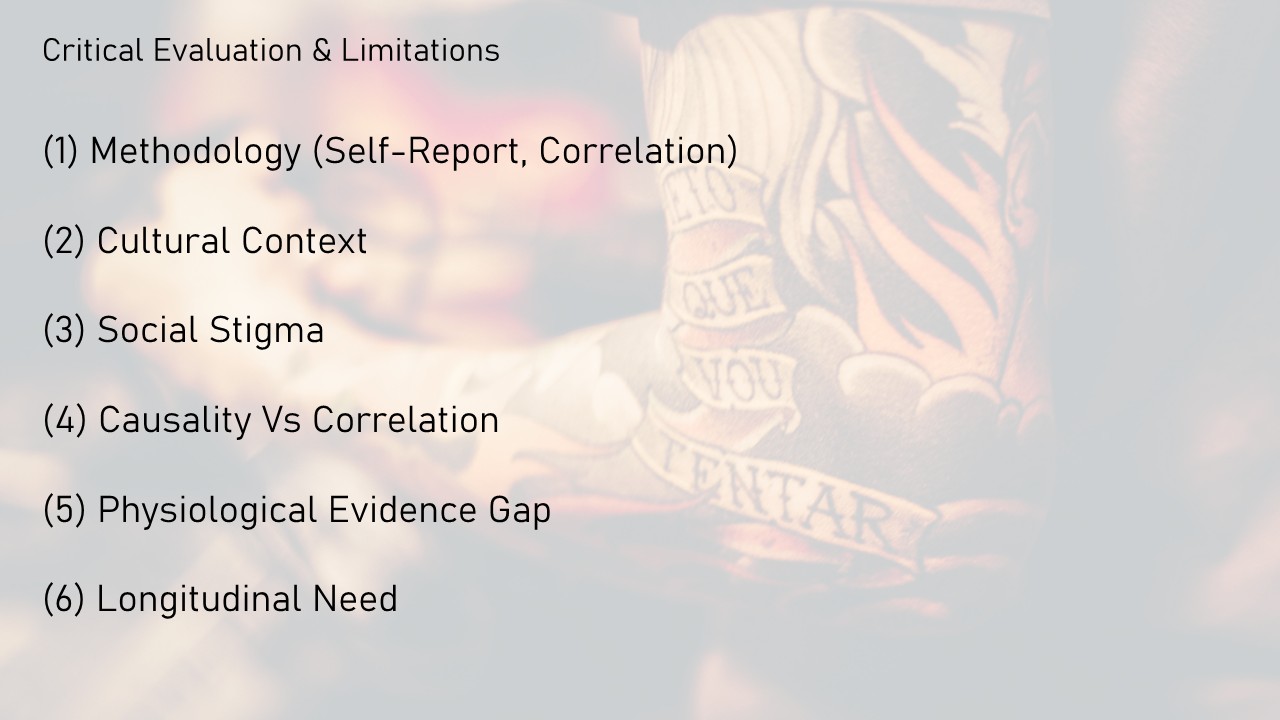
Research evidence was considered alongside the limitations of the existing evidence base, including questions of methodology, cultural context, social stigma, causality and the need for longitudinal research. Ultimately, the lecture asked how something written permanently on the body might also provide insight into identity, meaning, coping and the complex relationship between psychological and physiological experience.
The lecture was used as a platform to progress to conversations regarding tattooing among military personnel.
